Casino
 Betting
 Games
Games 
 Banking
 Bonuses

The Psychology Of Gambling

- The Psychology Of Gambling
 Author: Lerato Dlamini
 Updated: 23 December, 2025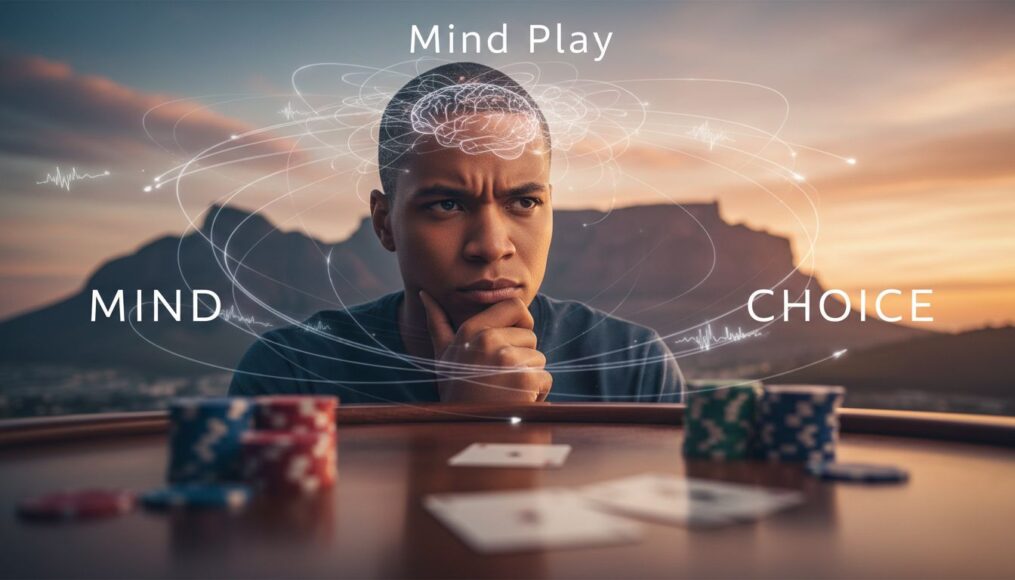
The world of gambling is often seen through the lens of luck, chance, and the thrill of winning big. Yet, beneath the surface of flashing lights and spinning reels lies a fascinating interplay of human psychology. What truly drives players in a casino, whether it's a bustling land-based establishment or a vibrant online platform accessible across South Africa? It's more than just the desire for money; it's about the intricate mental processes that shape decisions, reactions, and overall experience.
From the moment a player places a bet to the outcome of a game, their mind is engaged in a complex dance of anticipation, risk assessment, and emotional response. Understanding these psychological underpinnings can offer valuable insights into why we play, how we react to wins and losses, and ultimately, how to approach gambling responsibly.
Let's delve into the psychology that influences casino players, exploring how our moods and even our superstitions can play a significant role in the gambling experience.
The Emotional Rollercoaster: How Mood Influences Play
It's a common observation that our emotional state can impact almost every aspect of our lives, and gambling is no exception. The question of whether a player's mood affects the game is not just rhetorical; it's a fundamental aspect of casino psychology. In short, yes, it absolutely can.
Whether you're feeling elated, stressed, frustrated, or simply indifferent, your emotional state can significantly influence your decision-making and, consequently, the outcome of your game.
When we're in a good mood, perhaps after a successful day or a small win, there's a natural tendency towards optimism and increased risk-taking. This can lead players to bet more aggressively or continue playing longer than they might otherwise. This isn't necessarily a conscious decision but a psychological phenomenon where positive emotions can foster a sense of invincibility or an exaggerated belief in one's luck.
Conversely, negative emotions can be equally impactful, often in detrimental ways. Losing a game, especially when real money is involved, can trigger a range of reactions from frustration and anger to sadness and anxiety. These emotions can lead to impulsive decisions, such as “chasing losses” – betting more to try and recover what's been lost – which often results in further financial setbacks. The pressure of these moments can impair judgment, making it harder to stick to a budget or know when to step away.
Recognising how your mood affects your play is a crucial step towards responsible gambling. Being aware of your emotional state before and during a session can help you make more rational decisions and ensure that gambling remains a form of entertainment rather than a source of stress.

Superstitions and Rituals: Seeking Control in Chance
Walk into any casino, whether in Sun City or online, and you'll likely observe players engaging in various rituals or clinging to lucky charms. From blowing on dice to wearing a specific item of clothing, superstitions are deeply ingrained in the gambling world. But how do these beliefs affect a player's psychological state?
Superstitions offer an illusion of control in an environment largely governed by chance. When faced with unpredictable outcomes, the human mind often seeks patterns or ways to influence events, even if those methods are irrational.
For many South African players, a lucky charm – be it a four-leaf clover, a specific colour, or a personal trinket – provides a sense of comfort and assurance. It's a psychological crutch that helps alleviate the anxiety associated with risk-taking. Players want to believe that something, anything, can tip the odds in their favour, even if logically they know it doesn't affect the random number generator or the roll of the dice.
This need for perceived control is a powerful psychological driver. It can make players feel more confident, reduce stress, and even enhance their enjoyment of the game. However, it's vital to remember that superstitions do not alter the inherent probabilities of any casino game. Relying too heavily on them can sometimes lead to irrational decisions, such as continuing to play despite mounting losses because a “lucky streak” is anticipated.
While harmless rituals can add to the fun, it's crucial to maintain a clear distinction between belief and reality. The true “art of the casino” lies not in superstitions, but in understanding the games, managing your bankroll, and playing responsibly.
The Reality of Risk and Responsible Play in South Africa
The discussion around casino psychology often touches upon the sensitive topic of addiction. While the original article referred to casino addiction as a “myth,” it's important to clarify this perspective for a South African audience. Gambling, while a form of entertainment, carries inherent risks, and for some individuals, it can indeed become problematic. It's not a “myth” but a recognised condition that requires understanding and support.
In South Africa, responsible gambling is strongly advocated by organisations like the National Responsible Gambling Programme (NRGP). They provide resources and support for individuals who may be struggling with gambling-related harm. The power to “attach and detach” from gambling, as the original article states, is indeed in your hands, but it's also important to acknowledge that for some, this power can be compromised by the psychological hooks of gambling.
The core principle of responsible gambling is to view it as entertainment, not a means to make money. This means:
- Setting Limits: Decide on a budget and time limit before you start playing and stick to them.
- Knowing When to Stop: Recognise when you're no longer having fun or when emotions are taking over.
- Not Chasing Losses: Accept that losses are part of the game and avoid trying to win back money you've lost.
- Balancing Play: Ensure gambling doesn't interfere with other aspects of your life, like work, family, or finances.
Understanding the psychology behind your gambling behaviour – how your mood affects your decisions, or why you might cling to superstitions – empowers you to make more informed choices. It's about being cautious, controlling yourself, and knowing when to stop. For more information and support on responsible gambling in South Africa, you can contact the National Responsible Gambling Programme (NRGP) on their toll-free helpline at 0800 006 008.
Ultimately, whether you're exploring the vast array of games at a casino or simply enjoying a casual punt, a mindful approach to your own psychology is the key to a truly enjoyable and sustainable experience.

Lerato Dlamini
Content WriterLerato Dlamini, a 35-year-old content writer from the picturesque town of Franschhoek, Western Cape, has a talent for creating compelling, informative articles. Holding a degree in English and Communications from the University of Cape Town, Lerato expertly communicates the intricacies of the casino world to Casinoble's audience. When she's not writing, Lerato dreams of starting a non-profit organization to empower young South African women through education and mentorship.
Most Read News
Get the latest information